




Sheet Metal Handling Robot Arms: Designing a Safer, Faster Transfer Workflow
Sheet Metal Handling Robot Arms: Designing a Safer, Faster Transfer Workflow
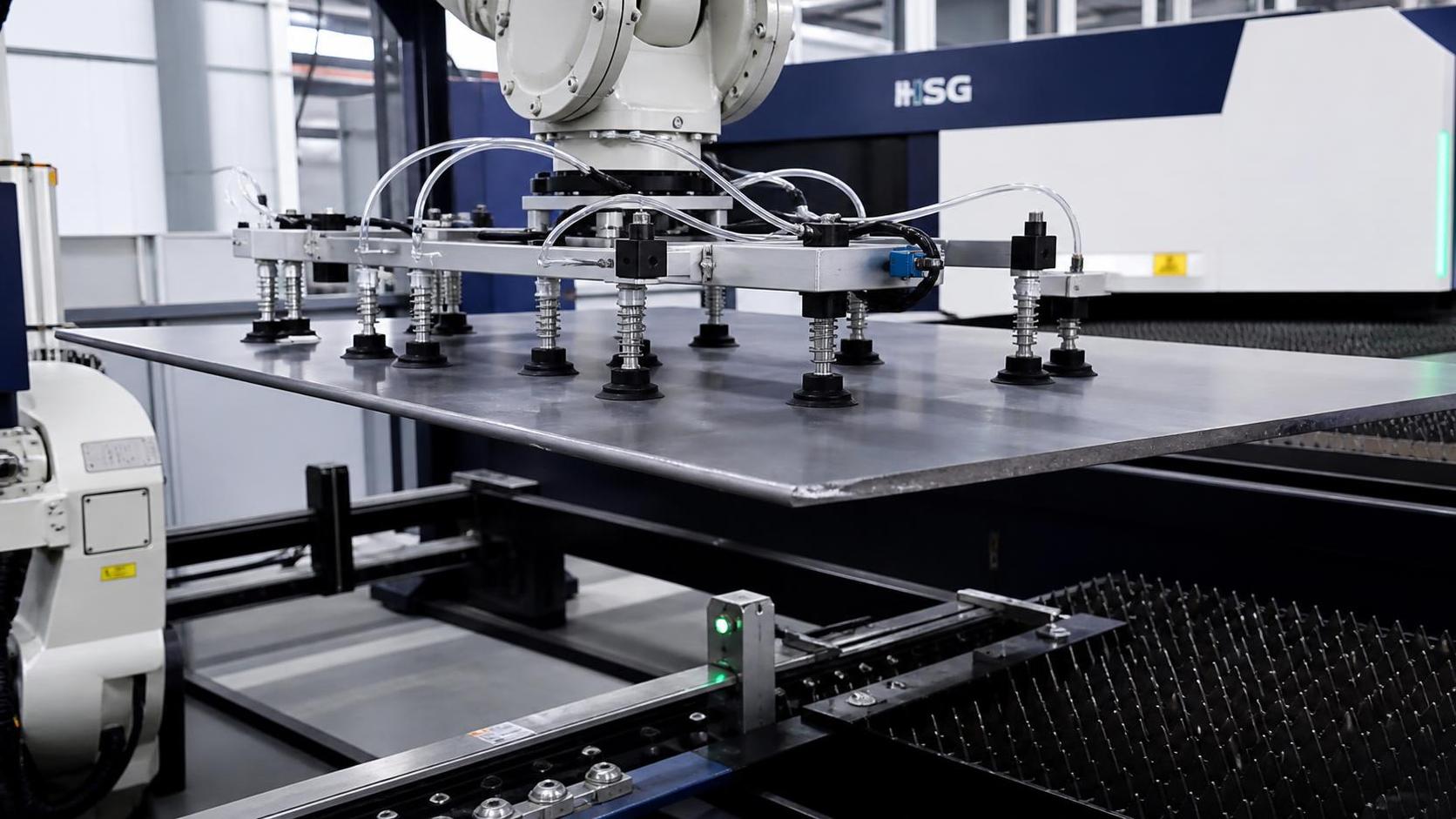
A sheet metal handling robot arm is most valuable when transfer work becomes the hidden bottleneck around a fabrication machine. An operator may be able to load a sheet onto a laser cutter, remove cut blanks, or feed a press brake safely at low volume. The situation changes when sheets are large, edges are sharp, surfaces are easily marked, and the machine cycle leaves little recovery time. Repeated lifting can slow the cell, increase strain, and create opportunities for dropped material, finger injuries, part scratches, or inconsistent placement.
The practical answer is not simply to “add a robot.” A safer and faster transfer workflow depends on matching the robot, end effector, sensing method, guarding, and handoff points to the actual sheet condition. The best layout removes unnecessary handling steps, gives the robot reliable pickup conditions, and leaves people responsible for setup, inspection, exception handling, and process control rather than repeated manual lifting.
Start with the transfer problem, not the robot model
Before selecting a sheet metal handling robot arm, map the movement of one sheet from its incoming stack to its next process. In many cells, the largest delay is not the travel distance. It is the time spent separating sheets, correcting skew, waiting for machine access, flipping parts, or recovering from a failed pickup.
Observe the workflow at normal production speed and note where handling becomes difficult. A useful review usually includes:
- Sheet material, thickness range, width, length, and maximum weight.
- Surface condition, including oil film, protective film, coatings, and scratch sensitivity.
- Whether sheets arrive flat, slightly bowed, nested, warped, or mixed in a stack.
- The required pickup orientation and the orientation needed at the next machine.
- Machine-door timing, fixture clearance, clamp positions, and safe robot access areas.
- Whether parts must be stacked, conveyed, placed into a fixture, or handed to another process.
- How operators currently handle bad sheets, double picks, offcuts, and production changes.
This review prevents a common mistake: choosing a robot based only on nominal payload. A robot that can lift the weight may still be unsuitable if the end effector cannot handle sheet flex, cannot separate oily blanks, or creates too much deflection while moving a long panel.
Where manual sheet transfer usually breaks down
Sharp edges are the obvious hazard, but they are not the only reason manual handling becomes unreliable. Large sheets can flex unexpectedly, particularly when an operator lifts one side before the other. Thin material may vibrate or bend under its own weight. A sheet with protective film may slide against another sheet in the stack, making separation difficult. Even when no injury occurs, repeated repositioning can leave scratches, corner damage, or inconsistent placement at the downstream machine.
Another problem appears when the fabrication process is fast but loading remains manual. The operator may need to clear finished parts, prepare the next blank, verify orientation, and keep clear of moving machinery in a short interval. Under pressure, people tend to use the quickest available action: reaching farther, carrying material at an awkward angle, or bypassing a preferred staging position. A robot cell should be designed to eliminate that pressure rather than merely move the same unsafe motion from one place to another.
Signs that automation is justified
A handling robot deserves serious consideration when the same transfer is repeated for long runs, when material dimensions make two-person lifting routine, or when the process requires stable positioning that is difficult to maintain manually. It is also useful where a machine must run through breaks or where operators spend more time moving material than checking production quality.
Automation may be less appropriate for highly variable one-off work unless the cell is designed for quick end-effector changes, simple program selection, and flexible staging. The goal is not maximum automation in every case. It is a repeatable process that can be changed without creating a new setup burden every time sheet size or part geometry changes.
Choose the pickup method according to material behavior
The end effector determines whether the sheet metal handling robot arm behaves like a dependable production tool or a source of frequent interruptions. Vacuum, magnetic, and mechanical gripping methods each have a place, but none should be selected by material type alone.
Vacuum handling is often effective for broad sheet surfaces, but a successful pickup requires more than enough suction force. Cup locations must support the sheet so that it does not sag excessively during acceleration. A large thin sheet may need a frame-style tool with multiple independently controlled zones. Zoning allows the robot to pick different sizes without activating cups outside the sheet footprint, which can otherwise pull in air and reduce holding reliability.
For oily material, stacked blanks, or sheets with slight distortion, separation deserves its own attention. Air blow-off, separators, mechanical fingers, or a controlled peel motion may be needed before the robot lifts. A double-sheet condition is particularly important because it can overload the next machine, cause poor part quality, or create an unexpected drop when one sheet shifts. Thickness sensing, vacuum-pressure monitoring, or stack-height verification can help identify abnormal picks before the transfer continues.
Design the cell around stable handoff points
Robot travel is only one part of the cycle. The sheet needs a reliable place to be picked, checked, and placed. Good staging reduces variation before the robot moves, while poor staging forces the robot to compensate for inconsistent material presentation.
At the incoming side, use supports that keep sheets level and accessible. The top sheet should be within the working range of the end effector without requiring extreme robot reach. Side guides can control stack position, but they should not trap the sheet so tightly that separation becomes difficult. For mixed job sizes, adjustable guides or dedicated pallet locations may be more practical than a single fixed arrangement.
At the receiving side, the robot must place material in a way the next process can accept consistently. For a laser cutting machine, that may mean positioning the sheet against locating stops or onto a shuttle table. For press brake loading, the robot needs a path that avoids the punch, die, backgauge, and moving safety zones. For welding or assembly, the placement may need repeatable orientation so fixtures can close without manual correction.
Do not overlook offcuts and finished-part removal. A cell can appear efficient during the loading cycle but become congested when skeletons, trim pieces, or completed blanks have no defined exit path. Separate destinations for usable parts, scrap, and uncertain parts reduce the temptation to leave material in the robot’s operating area.
Acceleration is a quality setting, not only a speed setting
Fast motion does not automatically create a fast cell. High acceleration can cause long sheets to oscillate, vacuum cups to lose seal, or corners to strike fixtures. The most productive motion profile is often one that accelerates smoothly, maintains a stable path, and decelerates without shifting the sheet. This is especially relevant for thin stainless steel, aluminum, coated sheet, and large panels that can flex during travel.
Start with conservative motion settings during commissioning. Watch the sheet rather than only the robot wrist. If the material vibrates, sags, twists, or lifts at a corner, adjust cup spacing, support points, speed, acceleration, or transfer orientation. Increasing robot speed before pickup stability is proven usually creates more recovery time than production time.
Build safety into normal operation
A robot cell is safer only when its ordinary operating mode is safer than the previous manual method. Guarding, interlocks, safety-rated scanning, and emergency stops are essential, but the daily workflow also needs clear rules for loading material, recovering faults, changing tools, and removing dropped parts.
Operators should be able to see the robot’s intended state through clear signals: ready for material, automatic cycle active, waiting for confirmation, faulted, or safe for access. Ambiguous status lights and unexplained pauses encourage people to enter a cell before the system is in a safe condition. The control sequence should make it clear when access is permitted and what action is required to restart.
Fault recovery deserves the same planning as normal production. A vacuum failure, skewed sheet, or missed placement will occur eventually. The recovery procedure should stop motion safely, identify whether the sheet is secure, and allow removal without reaching into an uncontrolled area. Avoid designs where a simple sensor fault requires an operator to work beneath a suspended sheet or between the robot and a machine table.
Tool maintenance also affects safety. Worn vacuum cups, damaged hoses, contaminated magnetic surfaces, loose fasteners, and inaccurate sensors can turn a stable process into an unpredictable one. A short inspection at the start of a shift is often more effective than waiting for repeated pickup faults. Check the condition of gripping surfaces, air lines, cable protection, tool fasteners, and the clearance of the robot path.
Keep quality controls near the transfer point
Handling automation should preserve the sheet condition required by the next operation. A robot can place material consistently, but it cannot compensate for burrs, warped blanks, heavy contamination, or surface damage that entered the workflow earlier. Where a cut or stamped part is moved toward bending, welding, assembly, or finishing, it is useful to define a simple acceptance point before the part is stacked or loaded.
Inspect for sharp burrs, hanging slugs, edge distortion, scratches, and incomplete separation from the skeleton. These issues can affect gripping and can also create hazards during later manual handling. Parts that need edge treatment should be routed before they reach a process where burrs may damage fixtures or interfere with assembly.
For smaller metal components and precision parts that require deburring or surface brightening after machining or fabrication, a Customized Magnetic polishing machine may fit as a separate downstream finishing step. Its magnetic polishing process is intended for irregular workpieces and hard-to-reach areas such as inner holes, gaps, right angles, and threaded surfaces. It should not be treated as a replacement for correct robotic pickup design; instead, it can help prepare parts where burr removal and surface cleaning are necessary before final handling, inspection, or assembly.
Commission the workflow in stages
A reliable startup begins with the least complex move: pick one correctly presented sheet, transfer it slowly, and place it at one defined location. Once that motion is stable, add stack separation, alternate sheet sizes, machine signals, finished-part removal, and exception conditions. Trying to activate every function on the first day makes it difficult to identify whether problems come from gripping, programming, material variation, or machine communication.
- Verify actual sheet weight and center of gravity across the full material range.
- Test pickup on clean sheets, oily sheets, thin sheets, and any material with protective film.
- Confirm that the end effector supports the sheet through acceleration, turning, and placement.
- Check all clearance zones with the machine in every relevant position, not only at rest.
- Introduce sensors and fault responses one at a time so abnormal conditions can be understood.
- Run representative production sequences and review where operators still need to intervene.
The final point is often the most revealing. If operators repeatedly straighten sheets, separate double picks, clear blocked destinations, or adjust placement by hand, the cell has identified a process condition that still needs engineering attention. The proper response is to improve staging, sensing, tooling, or program logic—not to make manual intervention part of the expected cycle.
When the workflow needs further engineering review
Extra design work is justified when sheets are extremely thin, highly reflective, heavily oiled, perforated, unusually large, or prone to warping. It is also needed where the robot must reach inside a machine enclosure, flip a part, handle sharp skeletons, or coordinate closely with clamps, backgauges, or multiple moving axes. In these situations, a payload calculation alone is not enough. Tool rigidity, path clearance, sensor strategy, and safe recovery methods must all be confirmed before production release.
A well-designed sheet metal handling robot arm does more than remove lifting from the process. It creates a controlled transfer path: sheets are presented consistently, gripped with a method suited to their surface and geometry, moved without unnecessary shock, placed accurately, and isolated safely when something does not look right. That is what turns robotic handling into a faster workflow rather than just a faster machine movement.
search
Recommended Products
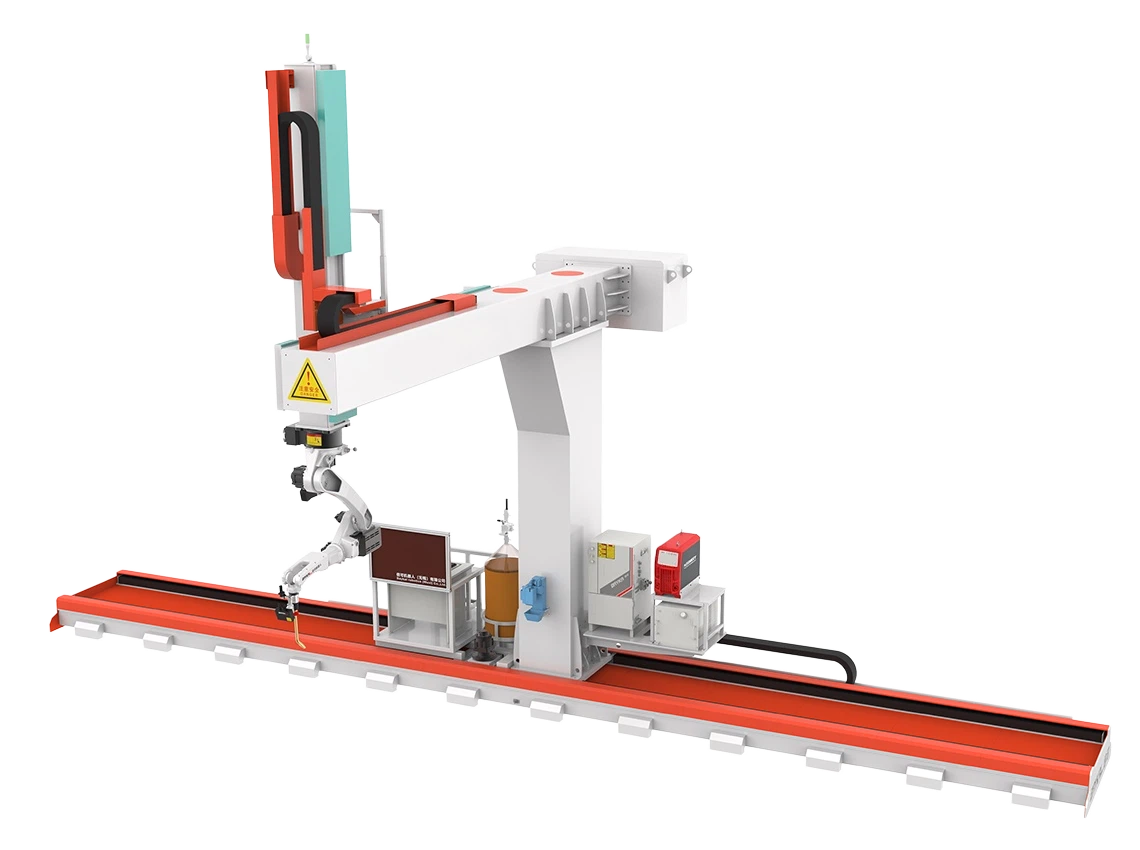
 9 axis cantilever type welding robot9 axis cantilever type welding robot for large steel workpieces with auto tracking, 3D import, and efficient CNC welding automation.
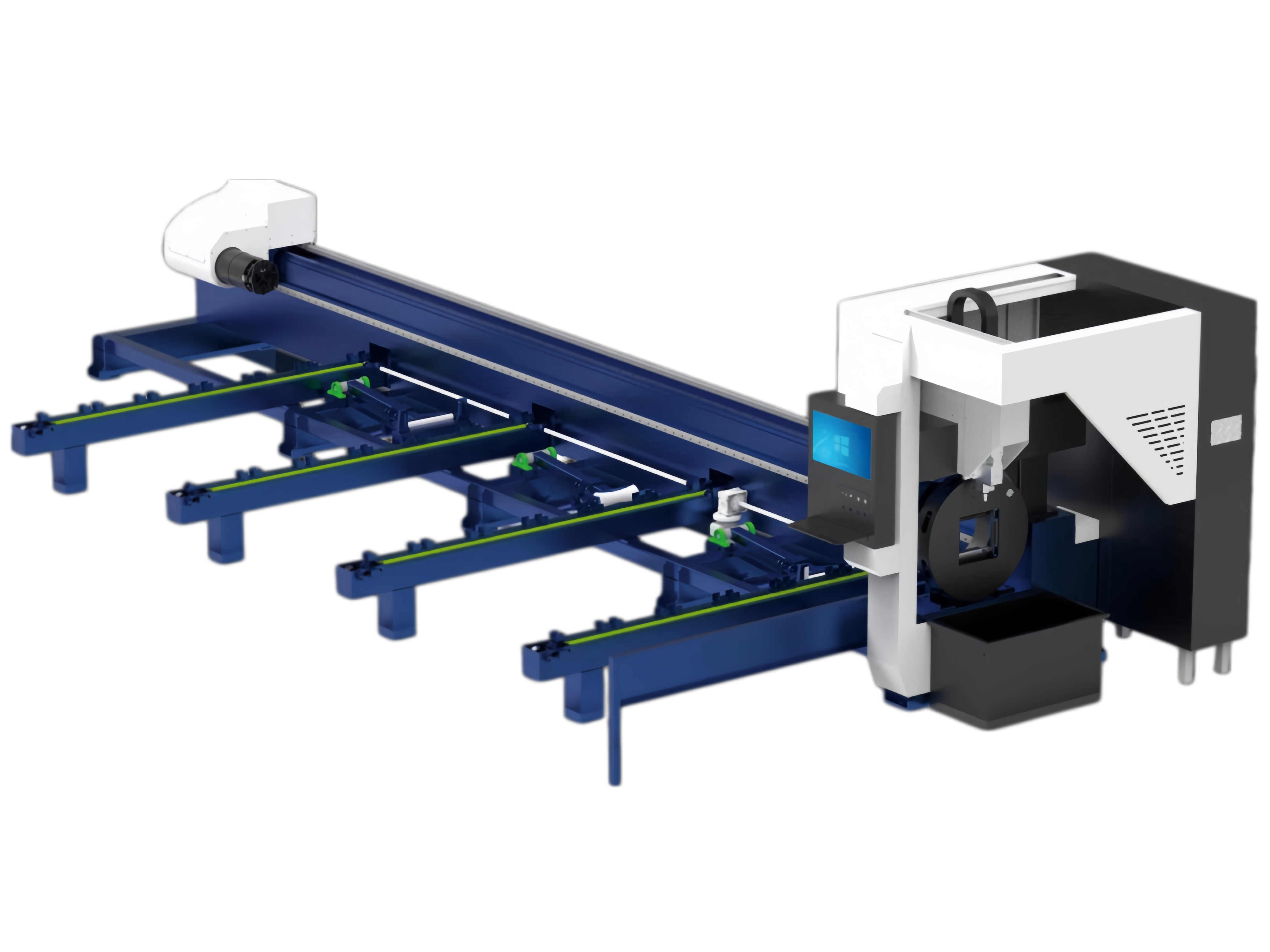
 Pipe cnc fiber laser cutting machine1.Introduction for Pipe cnc fiber laser cutting machine:
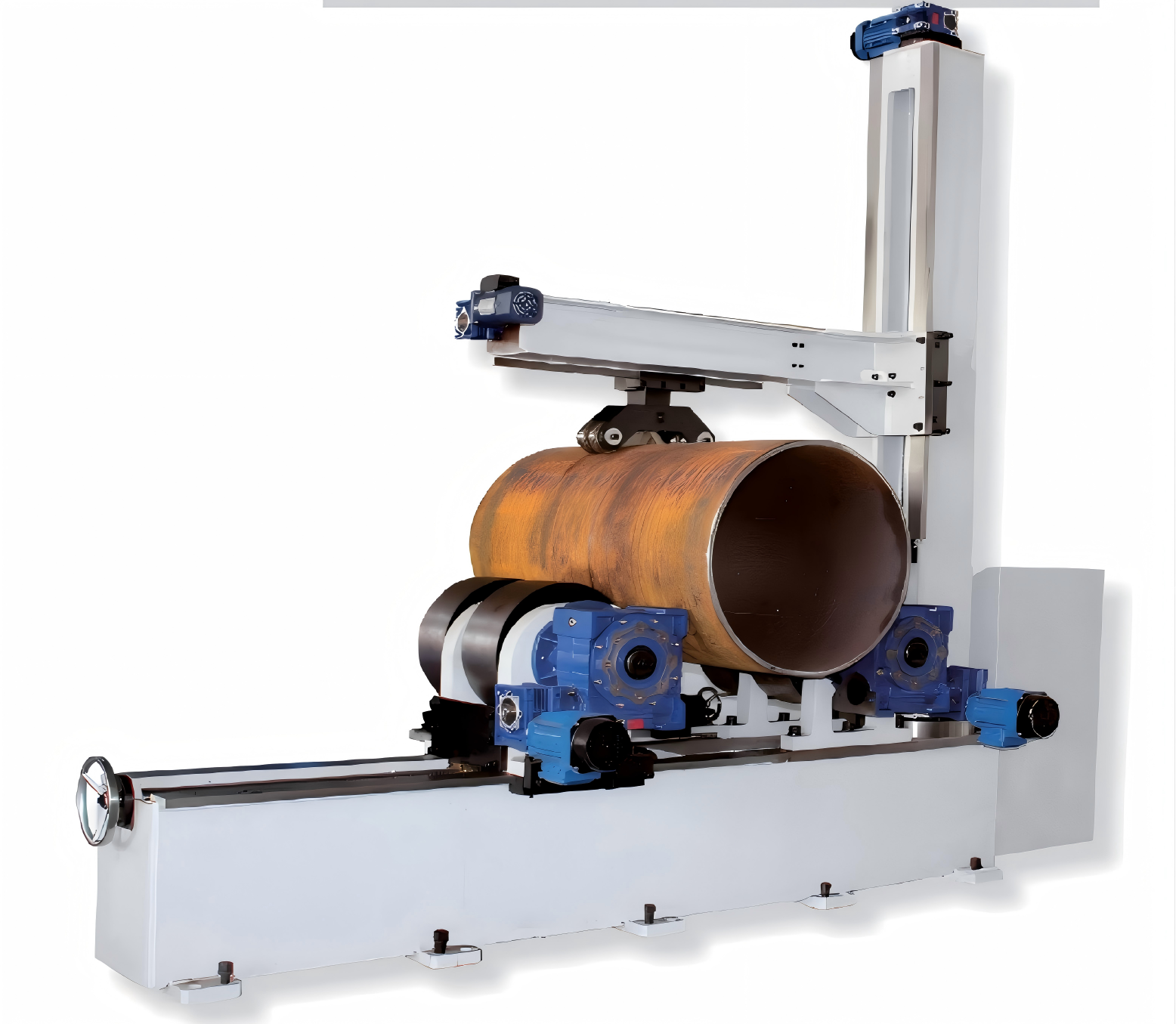
The laser cutting machine focuses the laser beam emitted from the laser source through the optical path system into a high-power-density laser beam. This laser beam is directed onto the surface of the workpiece, causing it to reach the melting point or boiling point. At the same time, the high-pressure gas coaxial with the laser beam blows away the molten or vaporized metal. Beveling & Milling Edge For Heavy TankThis series of heavy tank beveling and milling edge machines is a specialized, high-efficiency solution designed for beveling large storage tanks, pressure vessels, and heavy structural components. The main frame features an integrated welded construction followed by high-temperature stress-relief annealing, effectively eliminating internal stresses to ensure long-term dimensional stability and prevent deformation. The machine combines high-rigidity design with advanced control technology, purpose-built to handle the challenges of extra-thick plates and oversized workpieces.
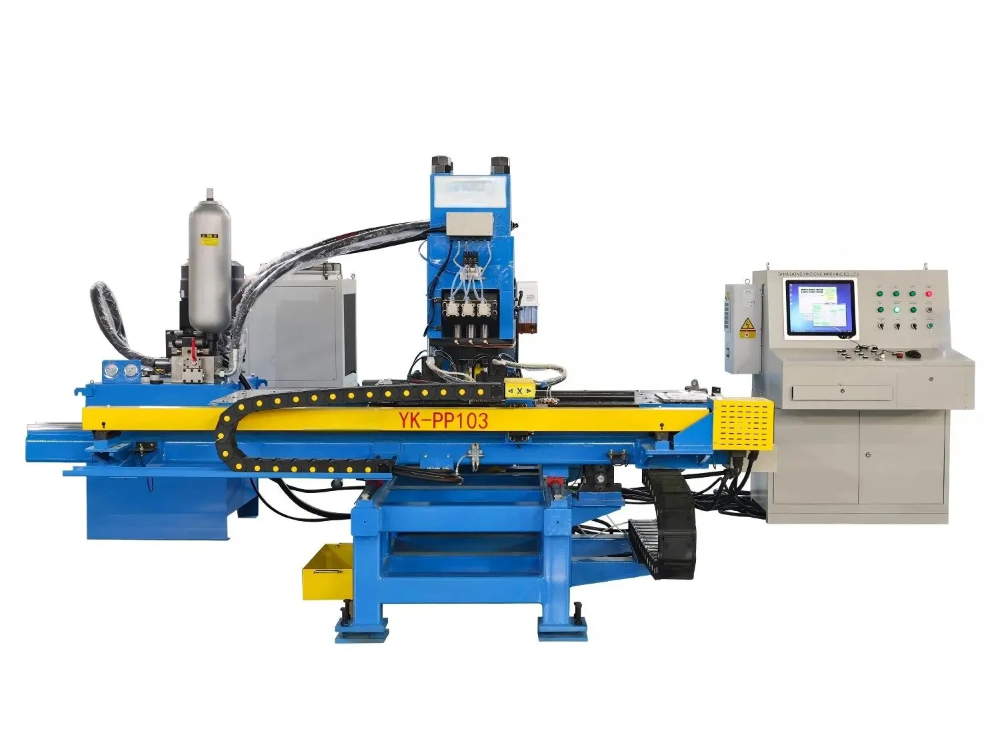
- CNC Punching And Marking Machine For Steel PlatesModels: YK-PP103 / YK-PPR103 / YK-PP104 / YK-PPR104
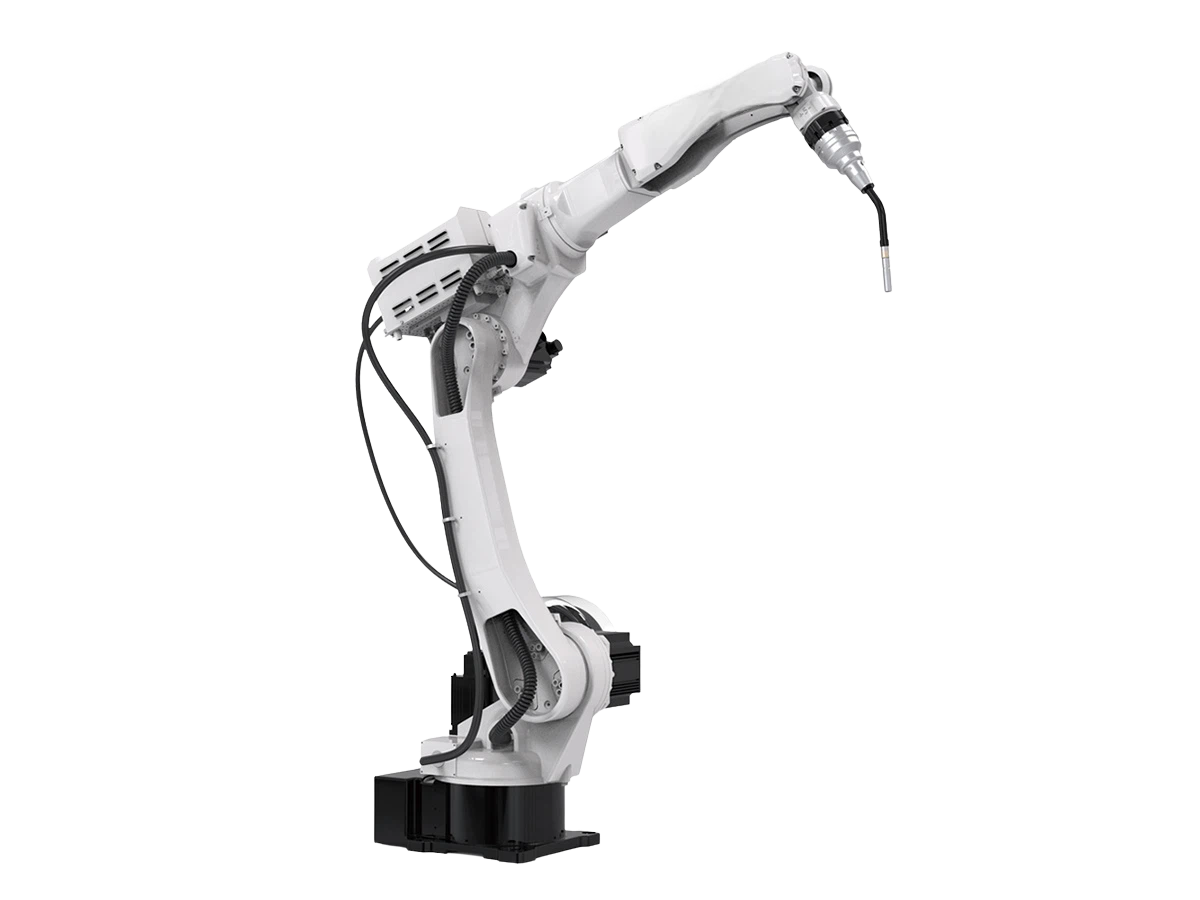
This series is a specialized CNC punching and marking machine designed primarily for steel plate processing in the steel tower industry. It is also well-suited for punching and marking applications across various other industrial sectors. - 6 Axis 2000mm ArmSpan MlG Industrial Welding RobotThis welding robot is designed for reliable arc welding in harsh production environments, featuring a long reach, stable repeatability, and flexible installation.
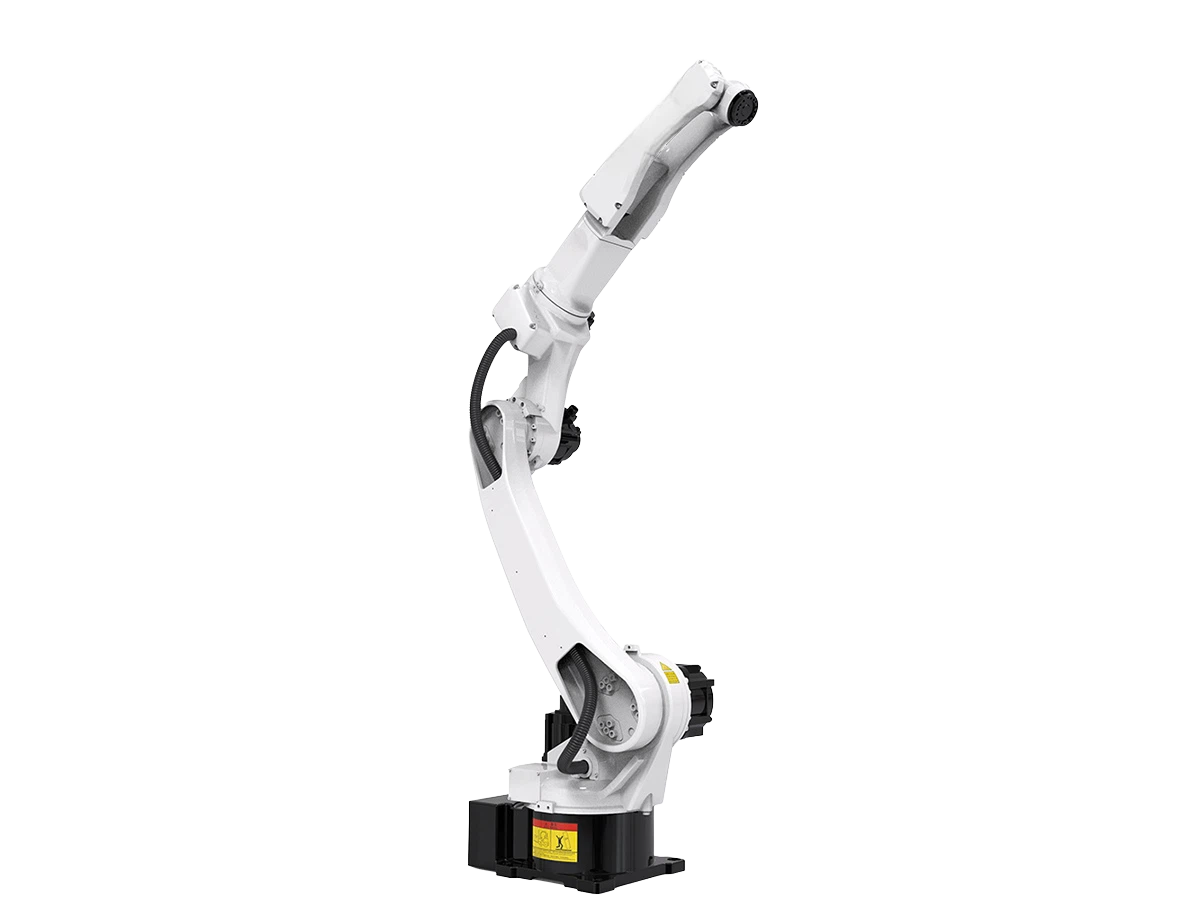
- Multipurpose Handing Robot BR20iB-20Explore the BR20iB-20 multipurpose robot for handling, welding, and cutting with 6-axis motion, ±0.08 mm repeatability, and flexible installation.

Send Us A Message